The First Signs of Depression You Shouldn’t Ignore
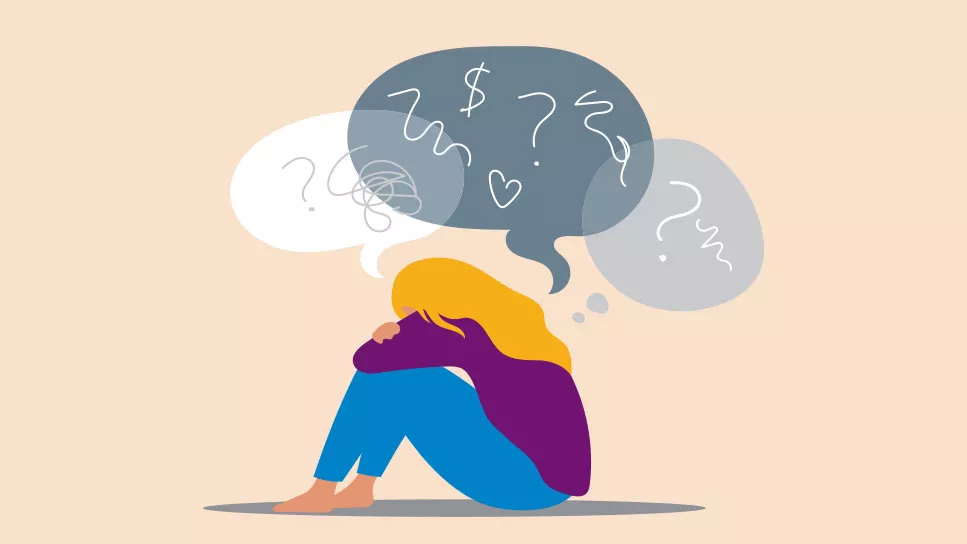
Depression is one of the most common and misunderstood mental health conditions in the world. Millions of people experience it at some point in their lives, yet many fail to recognize the early warning signs. Because depression often starts subtly — with small shifts in mood, energy, or motivation — it can creep in quietly until it becomes overwhelming.
Recognizing the first signs of depression early can make all the difference. Early intervention can help prevent symptoms from worsening, shorten recovery time, and even save lives. In this article, we’ll explore the early indicators of depression that doctors, psychologists, and mental-health professionals say you should never ignore.
1. Persistent Sadness or Low Mood
One of the earliest and most common signs of depression is a feeling of sadness or emptiness that doesn’t go away. Everyone feels sad sometimes, especially after a stressful event or disappointment. But if your low mood lasts for more than two weeks and seems to persist no matter what you do, it could signal something deeper.
Doctors define clinical depression by the duration and intensity of sadness. It’s not just “feeling down” — it’s a heavy emotional state that colors every aspect of life. People describe it as a sense of emotional numbness, hopelessness, or a dark cloud that refuses to lift.
If you find that your sadness doesn’t improve even when good things happen, it’s time to pay attention. Persistent sadness is often the first red flag.
2. Losing Interest in Activities You Once Enjoyed
Another early sign is a loss of interest in things that used to bring joy — a condition called anhedonia. This might mean:
- You no longer feel excitement for hobbies, music, sports, or social outings.
- You avoid friends or family, even if you used to enjoy spending time with them.
- Tasks that once felt easy or rewarding now seem meaningless or exhausting.
Doctors often ask: “Have you lost interest in things you used to enjoy?” If the answer is yes, it’s a key symptom of depression. When the brain’s reward system is disrupted, even pleasurable activities can feel dull or pointless.
3. Changes in Sleep Patterns
Depression often disrupts your sleep — sometimes in opposite ways.
You might experience:
- Insomnia: trouble falling or staying asleep, waking up too early, or feeling restless through the night.
- Hypersomnia: sleeping too much, finding it difficult to get out of bed, or feeling tired despite long hours of rest.
These sleep changes happen because depression affects the brain’s regulation of hormones like melatonin and cortisol, which control sleep and stress. Poor sleep, in turn, worsens mood and concentration, creating a vicious cycle.
If you’ve noticed a sudden change in your sleep routine without a clear reason, it could be an early warning sign.
4. Appetite or Weight Changes
Another subtle sign of early depression is a change in appetite — either eating significantly more or less than usual. Some people lose interest in food and skip meals, while others turn to comfort eating to cope with emotional pain.
Over time, this can lead to noticeable weight changes. Doctors often use this symptom as a measurable indicator because depression can alter metabolism and appetite-regulating hormones.
If you’ve noticed weight loss or gain of more than 5% of your body weight within a month — without dieting — and it coincides with mood changes, it’s worth discussing with a healthcare professional.
5. Constant Fatigue and Low Energy
Feeling physically and mentally drained is another hallmark of early depression. Many people describe it as “feeling tired for no reason.”
Even after a full night’s sleep, you might wake up exhausted or find that simple tasks — getting dressed, doing laundry, answering messages — require enormous effort.
This is not normal tiredness. Depression-related fatigue is often accompanied by slowed thinking, reduced motivation, and a sense of heaviness in the body.
If you find yourself constantly exhausted, especially when combined with other emotional changes, it’s a major sign that your body and mind need care.
6. Difficulty Concentrating or Making Decisions
When depression begins, your mind can feel foggy or unfocused. Doctors call this cognitive impairment — trouble concentrating, remembering details, or making even simple decisions.
You might notice:
- You reread the same page several times without absorbing it.
- You forget appointments or daily tasks.
- You struggle to focus at work or school.
This happens because depression affects areas of the brain responsible for attention and memory — particularly the prefrontal cortex.
If you feel mentally “slowed down,” disorganized, or forgetful more often than usual, it may be one of the early cognitive signs of depression.
7. Feelings of Guilt or Worthlessness
Early depression often brings harsh self-criticism. You might find yourself replaying past mistakes, blaming yourself for things beyond your control, or feeling like you’re “not good enough.”
These thoughts can start subtly — “I’m a burden,” “I’m failing,” “Everyone else is happier than me” — but over time they can dominate your inner dialogue.
Doctors recognize excessive guilt or worthlessness as one of the key psychological symptoms of depression. When negative thoughts become automatic and constant, it’s no longer a normal reflection — it’s a sign your mental health needs attention.
8. Withdrawal from Social Connections
Social withdrawal is another early and easily overlooked sign. Depression often makes people isolate themselves from friends, family, or coworkers. You might decline invitations, ignore calls, or find social interaction exhausting.
Sometimes, people isolate because they don’t want to “burden” others or feel misunderstood. But isolation only deepens feelings of loneliness and sadness.
If you’ve started avoiding people you care about or no longer feel comfortable around others, that’s a warning sign. The earlier you reconnect — even a simple text or visit — the better your recovery chances.
9. Irritability or Unexplained Anger
While sadness is the classic emotion linked with depression, irritability and anger are also common early symptoms — especially in men and teenagers.
You might notice yourself snapping at loved ones, getting frustrated over small things, or feeling a simmering sense of agitation you can’t explain.
According to mental-health experts, depression-related irritability comes from emotional exhaustion and internal pressure — the brain is overworked and undersupplied with positive stimuli.
If you’ve noticed your patience disappearing or your reactions feel out of proportion, this could be your mind’s way of signaling distress.
10. Physical Aches and Pains Without a Clear Cause
Depression doesn’t just affect emotions — it also affects the body. Doctors have long known that people with early depression often experience physical symptoms such as:
- Headaches
- Muscle tension
- Stomach pain or digestive issues
- Back or joint pain
- Unexplained fatigue
This happens because the brain and body share chemical messengers (like serotonin and norepinephrine). When those systems are disrupted, the result can be real, physical pain.
If you’ve been to doctors for aches and they can’t find a physical cause — and you also feel emotionally low — depression may be the missing link.
11. Feeling Hopeless About the Future
One of the most dangerous early signs of depression is a sense of hopelessness — believing things will never get better or that your situation is permanent.
This mindset makes people less likely to seek help or believe that treatment could work. Doctors consider hopelessness a key risk factor for deeper depression and suicidal thinking.
If you’ve caught yourself saying “What’s the point?” or “Nothing will ever change,” those are signals that your mood may be more than temporary sadness. Hopelessness is treatable, but only if recognized early.
12. Suicidal Thoughts or Self-Harm
While not everyone with depression experiences suicidal thoughts, they can occur even in early stages. They may begin as fleeting thoughts like “I wish I could disappear” or “Everyone would be better off without me.”
If you ever notice these thoughts, take them seriously. They are signs of emotional pain that need immediate support — not judgment.
Doctors emphasize that suicidal thinking is a medical emergency and should never be ignored. Reaching out to a trusted friend, family member, or mental-health professional can be lifesaving.
If you are in crisis, contact local emergency services or a suicide helpline immediately (for example, in Greece: 1018, or in the US: 988 Suicide & Crisis Lifeline).
13. Small Changes That Add Up
The early signs of depression rarely appear all at once. They develop gradually, often over weeks or months. You might notice small shifts:
- Feeling “off” or emotionally flat
- Losing motivation to start projects
- Sleeping more than usual
- Avoiding friends
- Feeling detached from life
Individually, these symptoms can seem minor. But together, they form a pattern that signals depression taking hold. The earlier you recognize that pattern, the easier it is to reverse.
14. When to Seek Help
Doctors recommend seeking help if you experience any combination of these symptoms lasting more than two weeks, especially if they affect your work, relationships, or daily functioning.
You can start by talking to your:
- Family doctor (GP): They can rule out physical causes, order basic tests, and refer you to a mental-health specialist.
- Psychologist or psychiatrist: They can perform a formal assessment and recommend therapy, medication, or both.
- Support lines or counseling services: If you’re unsure where to start, these are confidential and free.
Remember — depression is not a sign of weakness. It’s a treatable condition, and recovery is possible with the right help.
15. The Importance of Early Action
Why is recognizing early signs so important? Because untreated depression tends to worsen over time.
Catching it early allows for:
- Shorter recovery time
- Less intense symptoms
- Fewer relapses
- Better response to therapy and medication
Think of mental health like physical health — you wouldn’t ignore chest pain or persistent fever. Early intervention prevents a small issue from becoming a major crisis.
16. Steps You Can Take Right Now
If you suspect you’re experiencing early depression:
- Talk about it. Confide in a friend, family member, or counselor.
- Track your symptoms. Note changes in sleep, mood, appetite, or energy.
- Establish a routine. Regular meals, movement, and consistent sleep help stabilize your system.
- Avoid isolation. Stay connected, even when it’s hard.
- Seek professional help. Therapy, medication, or both can help reset brain chemistry and habits.
Even small steps — like taking a walk or speaking openly about your feelings — can begin to shift your mindset and signal to your brain that recovery has begun.
Conclusion: Listen to What Your Mind and Body Are Telling You
Depression rarely appears overnight. It starts quietly, through subtle emotional and physical changes that are easy to dismiss. But those first signs — loss of joy, persistent fatigue, isolation, hopelessness — are your body’s early warnings that something deeper is happening.
The good news is that depression is one of the most treatable mental health conditions today. The earlier it’s recognized, the easier it is to manage and overcome.
If you’ve noticed these symptoms in yourself or someone you care about, don’t ignore them or hope they’ll disappear. Talk to a doctor, counselor, or therapist. Reaching out is not weakness — it’s the first, strongest step toward healing.